Extrait de parfum used to be a footnote — the ultra-concentrated version of a classic that mostly gathered dust in department store cases. In 2026, per WWD Beauty, it is the industry’s preferred tool for charging more money, and Amouage is being more transparent about that than anyone else.
The Omani house launched Decision 42 and Overture 41 this September, priced squarely in top-tier extrait territory. The names are not random: the numbers are the actual oil concentration percentages. Decision 42 is 42% fragrance oil. Overture 41 is 41%. Amouage is printing the spec on the bottle while everyone else in the industry keeps their concentration figures deliberately vague. That’s a stance, and it’s a smart one — it reframes “expensive extrait” as “measurable value” for buyers who want to justify the spend.
A Nez study cited in the reporting charts a broader 2026 extrait wave spanning Chanel, Byredo, and beyond, naming concentration the current premium lever across the luxury fragrance market. Amouage is not alone in this, but they are the most direct about it.
What Decision 42 and Overture 41 actually smell like
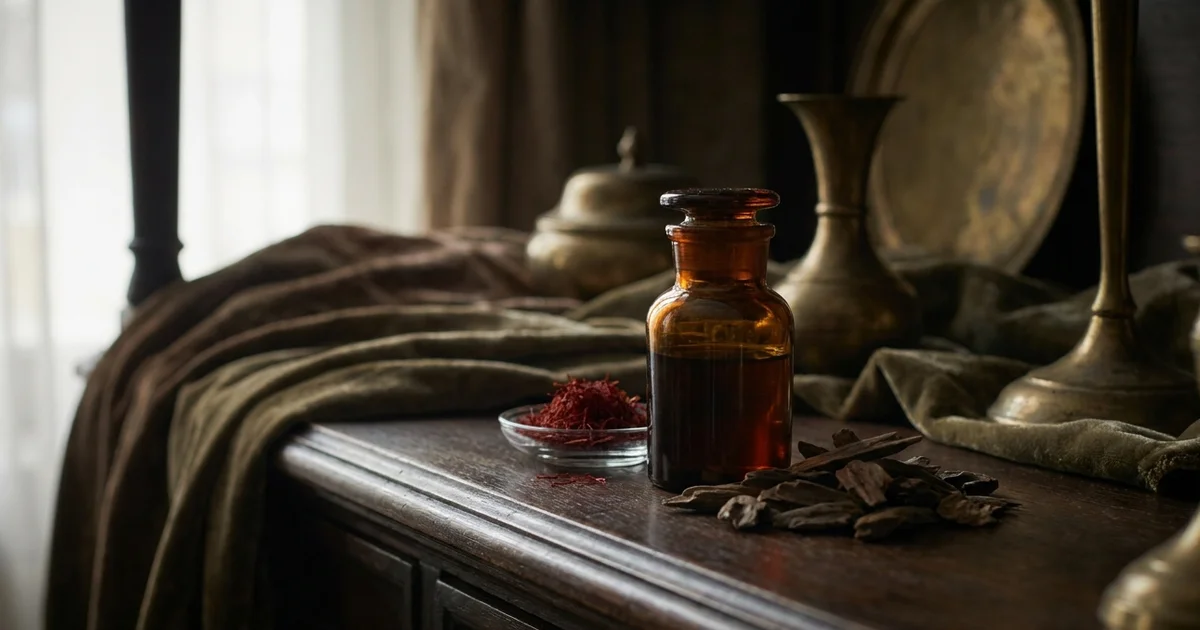
Both are reworkings of existing Amouage eaux de parfum, not entirely new compositions. Decision 42 sharpens its source material with neroli, cardamom, and cinnamon up top, while the base goes darker — Javanol (a synthetic sandalwood), patchouli, and rectified pine tar layered over the original’s juniper. Pine tar at extrait concentration is not a casual choice. It reads smoky, medicinal, almost industrial in the best possible way. This is a fragrance that wants to be noticed from across a room and still be there two hours later.
Fragrance Notes
Overture 41’s source material runs more operatic — the name suggests as much — but the extrait version hasn’t had its full note breakdown released publicly yet. What’s confirmed is the same philosophy: take a theatrical EDP and make it denser, darker, more anchored. At 41% oil, longevity is not a concern. These are all-day, onto-your-clothes, still-there-tomorrow fragrances.
The 42% figure for Decision 42 puts it well above the typical extrait de parfum range (usually 20–40%), which is worth knowing if you’re debating whether the price premium over a regular EDP makes sense. It does — this isn’t a marketing rebrand of the same juice.
Where this sits against the rest of the catalog
The extrait shift is happening across brands you probably already own or are watching. Chanel Bleu de Chanel Eau de Parfum is one of the most-compared reference points in this price tier — the EDP already punches hard for longevity and mass-market visibility, which makes an eventual Chanel extrait expansion in this direction a logical next step if the Nez data holds.
On the niche side, Byredo Bibliothèque and Byredo Blanche represent Byredo’s current catalog — both restrained, both beloved for their balance. If Byredo is joining the 2026 extrait wave (and the Nez study says they are), the question is whether higher concentration serves compositions that are deliberately quiet. Blanche at 40%+ oil concentration would be a completely different object than what it is now. Worth watching, not necessarily worth anticipating with excitement unless you already find yourself wanting more of it on the dry-down.
Within Amouage’s own lineup, the extrait strategy fits the house’s historical register. Amouage Reflection is already rich and resinous in EDP form. Amouage Dia Women’s goes floral-sheer. Amouage Lilac Love Woman leans powdery and romantic. All three are candidates for extrait treatment under this naming convention, and any of them at 40%+ concentration would shift from “beautiful fragrance” to “serious statement.”
Buy, wait, or skip?
Buy Decision 42 if you already like the original and want the version that doesn’t require reapplication. The pine tar and Javanol base in particular reward the concentration — these materials open up and get more complex at higher oil percentages rather than just getting louder. It’s real money, but for a 42% extrait from a house that doesn’t cut corners on ingredients, it’s not irrational.
Overture 41 is the more cautious call right now, simply because the full picture isn’t as clear yet. If the source material resonates with you, this is likely worth the upgrade — but wait until you can smell it rather than buying blind at this price.
On the broader trend: the concentration arms race benefits buyers who actually care about performance and complexity, and it punishes people who are just chasing a number on a label. Extrait as a category is genuinely different — longer, denser, slower to reveal itself — not just an EDP with a price hike. The Amouage approach of printing the concentration percentage is useful transparency in a market where most brands treat that information like a trade secret. If other houses follow that lead, comparison shopping across the category gets meaningfully easier.
For now, Amouage is the one telling you exactly what you’re getting.